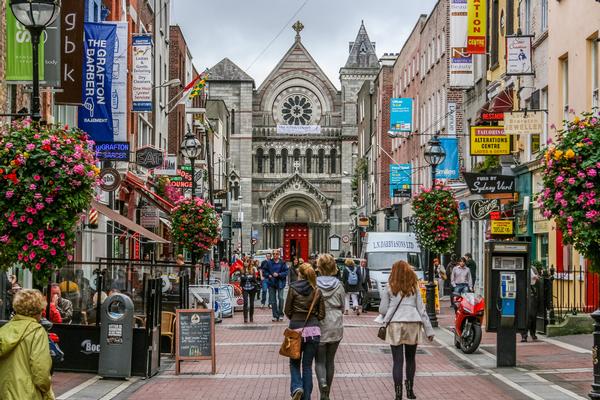
Are you thinking of relocating to Ireland? You’re not alone. Ireland is fast becoming a hotspot for immigrants due to its friendly environment, great education system, job opportunities, and peaceful way of life.
The country Ireland has a lot to offer from the beautiful countryside to the busy city life in Dublin. But before you pack your bags and jump on the next flight, there’s a big part you need to handle first the visa process. Even if you’re coming for work, school, or to join family, knowing the Ireland immigration system is key.
This article breaks down everything you need to know in simple and clear terms. Let’s walk through it together.
What is the Ireland Visa Policy?
Ireland’s visa policy determines who needs a visa, what type of visa to apply for, and how long one can stay. It depends on your nationality, the reason for your visit, and how long you plan to stay. It’s important to note that although Ireland is part of the European Union (EU), it’s not part of the Schengen Area, so a Schengen visa won’t work in Ireland.
Ireland’s immigration rules divide visitors into three main groups:
1. The EU/EEA Nationals
If you’re from a country within the EU (European Union) or EEA (European Economic Area) — that includes countries like Germany, France, Sweden, and Norway — then good news: you don’t need a visa to enter or live in Ireland. You can come, stay, study, work, or start a business without needing to apply for anything beforehand.
2. Non-EU/EEA Nationals Who Are Exempted from Irish Visas
Some countries outside the EU/EEA have agreements with Ireland that allow their citizens to enter without a visa for short stays (usually up to 90 days). Countries like the USA, Canada, Australia, and Japan fall into this category. You can visit Ireland for tourism or business without needing a visa, but if you plan to stay longer (e.g. for work or study), then you’ll need to apply for the proper long-stay visa.
3. Non-EU/EEA Citizens Who Are Subject to Irish Visas
If your country isn’t on the exempted list, you will need to apply for an Irish visa before traveling. This applies to citizens of countries like Nigeria, Pakistan, India, Ghana, and many others. Whether you’re visiting for a short period or planning to relocate, you must go through the visa application process.
Types of Ireland Immigration Visa
Ireland offers several types of visas depending on the purpose and length of your stay. Let’s break them down:
1. Irish Short Stay Visa (C-Visa)
This visa allows you to stay in Ireland for less than 90 days. It’s mainly for tourism, business trips, or short family visits. With this visa, you can’t work or access public services, and once the 90 days are up, you must leave the country.
2. Irish Long Stay Visa (D-Visa)
Planning to stay in Ireland for more than 3 months? Then this is the visa you need. It’s for people who are moving to Ireland for work, study, or to join family. You’ll need to get pre-approval and will also have to register with immigration authorities after arrival.
3. Irish Single and Multiple Entry Visa
This one is straightforward. A Single Entry Visa allows you to enter Ireland once. If you leave, you’ll need a new visa to re-enter. A Multiple Entry Visa lets you leave and return to Ireland multiple times during the validity period. The multiple entry visa is usually given to those who’ve had a single entry before and need to return for follow-up visits.
4. Irish Transit Visa
If you’re just passing through Ireland on your way to another country, and you’re from a visa-required country, you might need a transit visa. You won’t be allowed to leave the airport with this visa — it’s just for connecting flights.
5. Re-entry Visas
This applies to non-EU/EEA residents who already live in Ireland and plan to travel. If you don’t have a multiple-entry visa, you might need a re-entry visa to come back after traveling abroad.
How to Apply for the Ireland Immigration Visa
Applying for an Irish visa isn’t as hard as it seems if you follow the steps carefully:
- Start Online: Visit the Irish Naturalisation and Immigration Service (INIS) website and fill out the visa application form.
- Gather Your Documents: Prepare your passport, passport photographs, travel itinerary, accommodation details, financial proof (bank statements), invitation letters (if applicable), and purpose-specific documents (like admission letters for students).
- Pay the Visa Fee: Fees vary depending on the visa type and whether it’s single or multiple entry.
- Submit Your Application: You’ll be asked to submit your documents and biometrics at an Irish embassy or visa application center in your country.
- Wait for a Decision: Processing times vary. It can take a few weeks or longer, so apply early.
Applying for Citizenship and Permanent Residency in Ireland
After legally staying in Ireland for several years, you may want to make it permanent. Here’s how that works:
Permanent Residency (Stamp 4): After 5 years of legal residence (often through work or family), you can apply for long-term residency. This allows you to live and work without needing further visas.
Irish Citizenship by Naturalization: If you’ve lived in Ireland for 5 out of the last 9 years (and the last year continuously), you may apply for citizenship. You must have good character, intend to reside in Ireland, and meet residency conditions.
Steps to Take in the Case of Visa Refusal
Sometimes, even with all your documents in place, your visa may get refused. Don’t panic. You have the right to appeal. Here’s what to do:
- Read the Refusal Letter: It usually explains why your visa was denied. Common reasons include lack of proof of funds, incomplete documents, or doubts about returning home after the visit.
- Submit an Appeal: You can send an appeal letter to the Irish embassy, usually within 2 months of the refusal.
- Provide Additional Documents: Strengthen your appeal with any missing or stronger evidence.
- Consult a Visa Expert: If unsure, you can work with a reputable immigration consultant or lawyer.
That’s it!
Final Words
Migrating to Ireland can be a dream come true, but it starts with getting the right visa. Don’t rush the process, rather take your time to understand what category you fall under, what type of visa suits your plans, and make sure your documents are complete and genuine.
Even if you want to study, work, reunite with family, or just explore the Irish culture, knowing how Ireland’s immigration system works will save you stress and delay. Remember, patience and preparation are key. If you’re serious about moving to Ireland, start the visa journey today—and who knows? The next chapter of your life might just begin in Dublin or Cork.
Good luck with your plans, and may your Irish adventure be smooth and successful!